
Pagan Winter Traditions: in preperation for the Winter Solstice
- Nov 13, 2025
- 6 min read
There’s a certain stillness that settles over the world this time of year — a quiet in the air, a slowing of rhythm, a reminder that even the earth is resting. And yet, most of us rush through these dark weeks as if light could be forced back by sheer productivity. But what if we didn’t? What if we made this time — the waiting before Jul/Yule, before the return of the sun — sacred again?
The season leading up to the winter solstice has always been more than just a prelude to holidays. Long before electric lights and shopping lists, people honored this period as a time of reflection, ritual, and inner renewal. Fires were lit not just for warmth, but for hope. Candles burned as prayers for the returning sun. Every evergreen branch, every flicker of flame, carried meaning.
You don’t need to live in a forest or own a cauldron to feel that same quiet magic. You just need to pause — and let the darkness remind you of what light really means. And here is how!
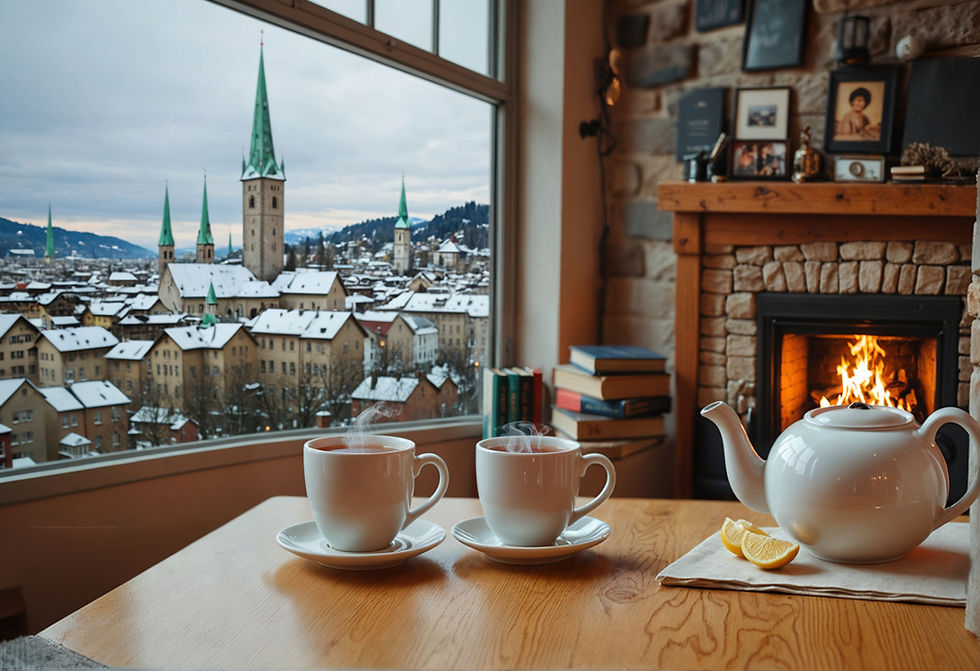
12 Ways to Wait for Jul — Winter Solstice Rituals & Traditions
🌲 1. Start with light
You might already have an Advent wreath or your own Väntleuchter — a candle holder to mark the weeks before the solstice. Each candle can become a small ritual: one for rest, one for reflection, one for release, one for renewal. When you light them, take a moment to breathe, to watch the flame, and to remember that this, too, is the work of the season — to tend the light within.
Where it originally comes from: In Northern Europe, people lit candles through December to mark the return of the sun. Each flame symbolized patience, hope, and rebirth.
🕯️ How to: Create your own version with four candles — one for each week before the solstice. As you light each one, dedicate it to a theme: rest, reflection, release, and renewal. Sit quietly for a moment and watch the flame. It’s not about doing, it’s about being.
🌿 2. Decorate with Evergreens
Before Christmas trees were a thing, evergreen branches were brought indoors to honor life that endures even through the cold.
🌲 How to: Collect small pieces of pine, holly, or ivy (or use sustainable decorations). Before taking anything, pause and ask the tree or plant if it is okay to collect from it — a simple moment of gratitude and consent honors the spirit of nature. As you arrange them, think of them as living symbols — of perseverance, protection, and the green heart that still beats beneath the snow.
🔥 3. Make a Yule Log (Symbolic or Edible)
Traitionally, the Yule log was the centerpiece of winter rituals — burned to protect the household and invite the sun’s return. In old pagan traditions, the Yule log was more than just firewood — it was a living symbol of the sun’s return and a protective charm for the home.
How to create your own:
Choose your log – Traditionally, a large, sturdy oak or ash log was preferred. Some traditions selected a “family log” that had been stored and seasoned for this purpose.
Bless your log – Before bringing it indoors, hold it and ask permission from the spirit of the tree. Set intentions for protection, abundance, and warmth.
Adorn the log – Carve symbols, runes, or write blessings directly on the log. Decorate with evergreen sprigs, holly, or ribbons to honor life and continuity.
Light it mindfully – On Yule night, place the log in your fireplace or hearth and light it with intention. Each crackle can symbolize the sun’s return, the release of old energy, and the protection of your household.
Extend the ritual – Traditionally, the last embers of the log were kept to light the next year’s Yule log, symbolizing continuity and connection across cycles.
🌿 Modern adaptation: If a fireplace isn’t available, you can honor the same symbolism with a Yule log cake, using herbs, spices, or candles to carry your intentions into the season.
💡 4. Perform a “Light in the Darkness” Ritual
In the stillness of a dark December night, turn off all lights and sit in silence. Feel the darkness — not as something to fear, but as something to rest in.
✨ How to: Light a single candle and watch the flame grow. Whisper your gratitude for what’s still bright in your life. Darkness gives light its meaning — and you are part of that balance.
🌕 5. Meditate or Walk Under the Moonlight
The moon’s glow has guided humans for millennia. In the darker season, she’s both companion and teacher — showing us that light waxes and wanes, but always returns.
🌙 Try this: Go for a short moonlit walk, or simply stand by your window and breathe. Let the light and shadow play remind you that every phase, even the quiet ones, holds beauty.
🧹 6. Cleanse & Bless Your Home
Before new beginnings, our ancestors cleaned their hearths and swept out stale energy — both literally and symbolically.
🌬️ How to: Declutter, open a window, and cleanse your space using incense, essential oils, or herbal smoke (rosemary, juniper, pine). As you move through your home, imagine sweeping away the old year to make space for renewal.
🍊 7. Make Pomanders or Herbal Charms
A fragrant winter craft with roots in medieval Europe — oranges studded with cloves were used to attract prosperity and protect against illness.
🍊 DIY: Pierce oranges with cloves in spiral or sun patterns. Roll them in cinnamon or nutmeg, then hang them to dry. You can also create herbal sachets with lavender, rosemary, and dried orange peel to bring comfort and cheer to your home.
🌾 8. Create a Nature Shrine
Nature doesn’t disappear in winter; it simply turns inward. Creating a small altar reminds you that stillness is a form of life, too.
🌲 How to: Collect pinecones, stones, or winter berries from your walks and arrange them mindfully on a small tray or windowsill. Add candles or crystals that resonate with the season (smoky quartz for grounding, citrine for returning light). Let this become your daily anchor for calm.
🥖 9. Celebrate with a Solstice Feast
In ancient times, communities gathered around shared tables to celebrate survival, abundance, and connection.
✨ Modern version: Cook a simple, nourishing meal — think roasted root vegetables, warm bread, and spiced tea. Eat by candlelight and take a moment to give thanks for warmth, food, and the people (or pets) who share your space. Even a quiet dinner alone can become a sacred act.
📖 10. Reflect on the Past Year
The solstice marks the turning point — the longest night before the light grows stronger again. It’s the perfect time for introspection.
🪞 Try this: Journal about what you’ve learned this year. What challenges shaped you? What do you want to leave behind? Then, set gentle intentions for what you want to invite with the returning light. You could also draw a tarot or oracle card for guidance.
📚 11. Read or Tell Winter Stories
Storytelling was once a communal spell — words woven around fires to pass on wisdom and warmth.
🔥 How to: Read old myths like the tale of the Holly and Oak King, who battle for the year’s light and darkness. Or host a story evening with friends — reading, reflecting, laughing. In a world that moves fast, storytelling slows us down to human time again.
☀️ 12. Make a “Sun Return” Offering
At the heart of Yule is one simple truth: the light always returns.
🌻 How to: On the solstice morning (or evening), light a final candle, whisper a wish, or leave birdseed or bread outside as an offering of gratitude and renewal. A reminder that we are part of the same cycle — both giver and receiver of light.
✨ A Closing Thought
Waiting for Jul isn’t about rushing toward celebration — it’s about learning to honor the in-between. The darkness isn’t the opposite of light; it’s the womb that gives birth to it.
So light your candles. Bless your home. Watch the sun sink low and trust that it will rise again. You don’t have to wait for the light to return to begin shining — because you are already part of the turning.


.png)


Comments